
Crisp, actionable analysis and insights on key policy matters
The Latest
-
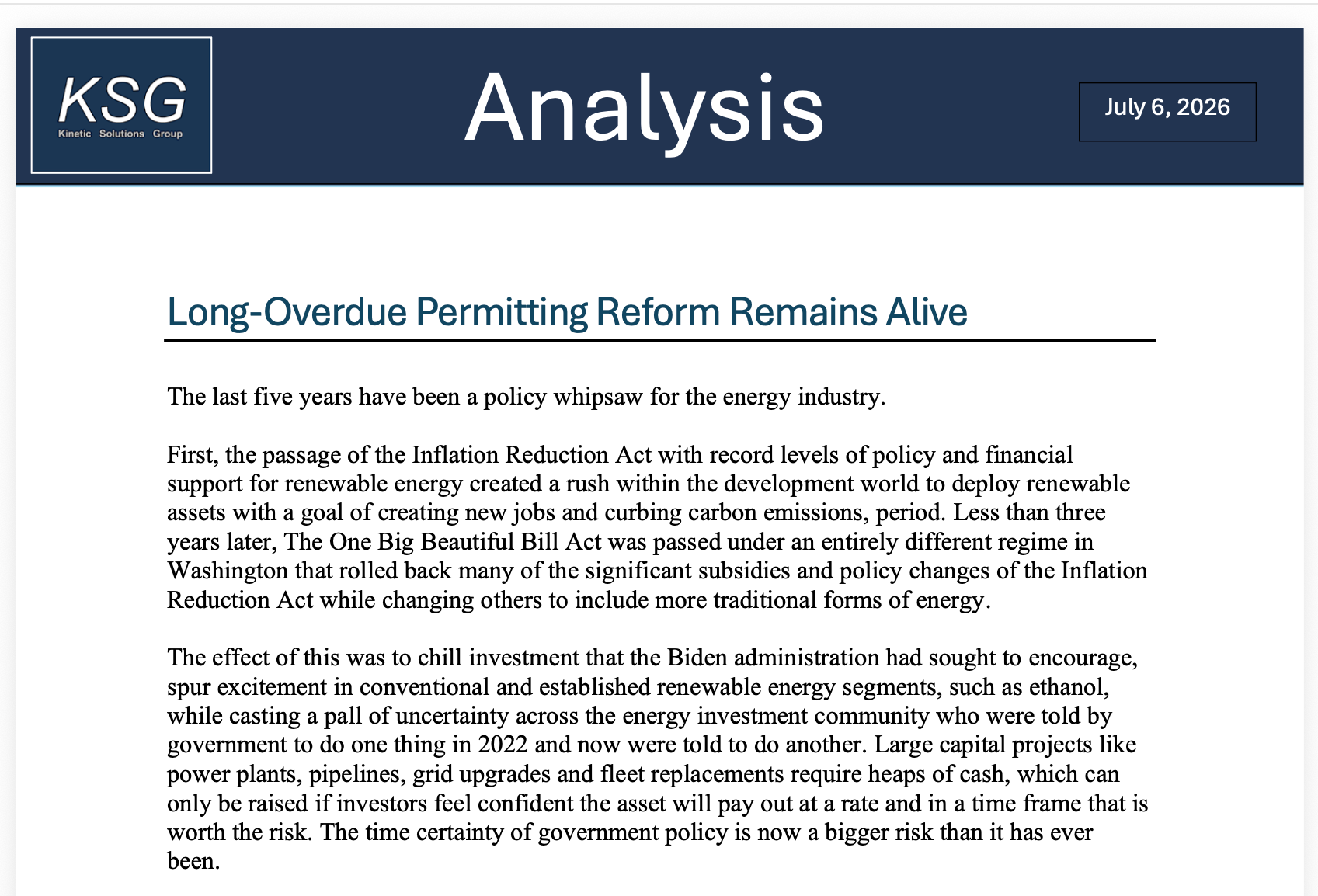
Permitting Reform: Encouraging Signs?
Bipartisan Senate discussions give hope to permitting reform legislation.
-
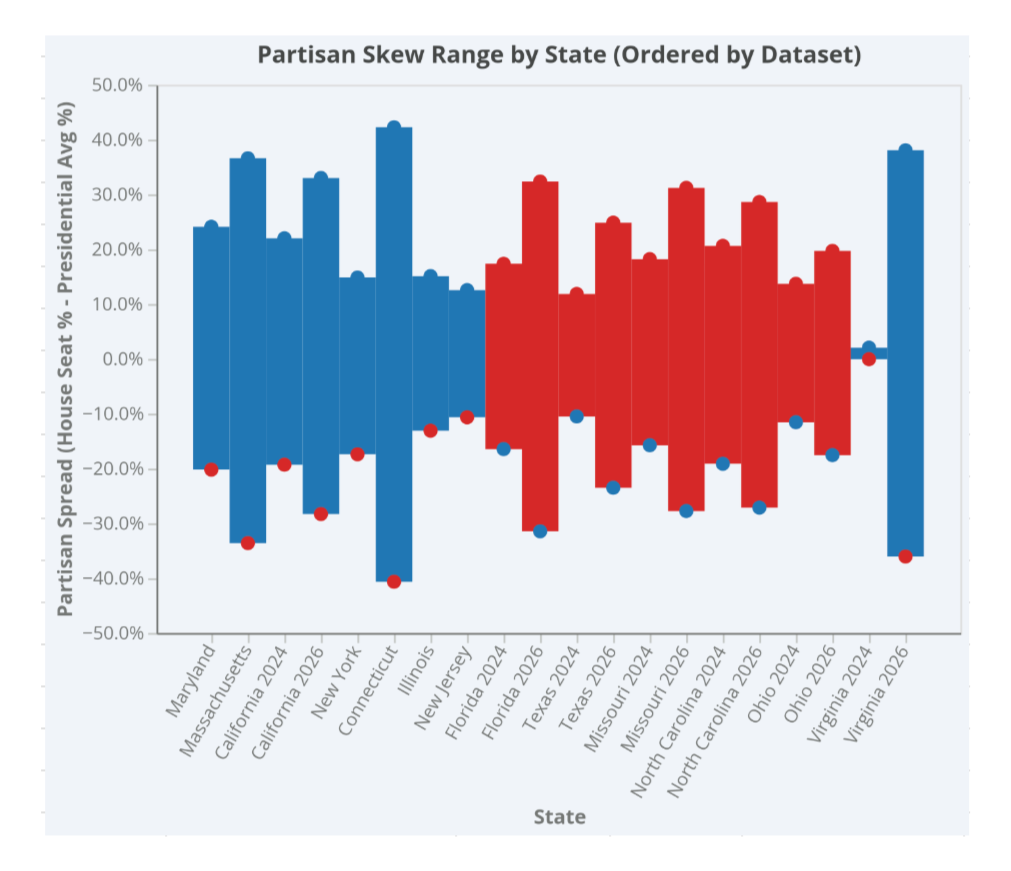
Partisan Skew of Select State Congressional Maps
This chart attempts to take a look at some states that have joined the battle and select others that have House delegations that skew hard one way or the other. To set a baseline for the partisan make up of each state, I took the percentages of the vote each party’s candidate for president won in the past two elections (2020 and 2024) and averaged them. I then compared those numbers against the percentages of that state’s House delegation. For example, Donald Trump averaged 53.65% of the vote in Florida in the last two elections and the current Republican representation in the Florida House delegation is 71% (20 of 28 seats). The delta between those two percentages is what I call the “Gerrymander Skew”.
-
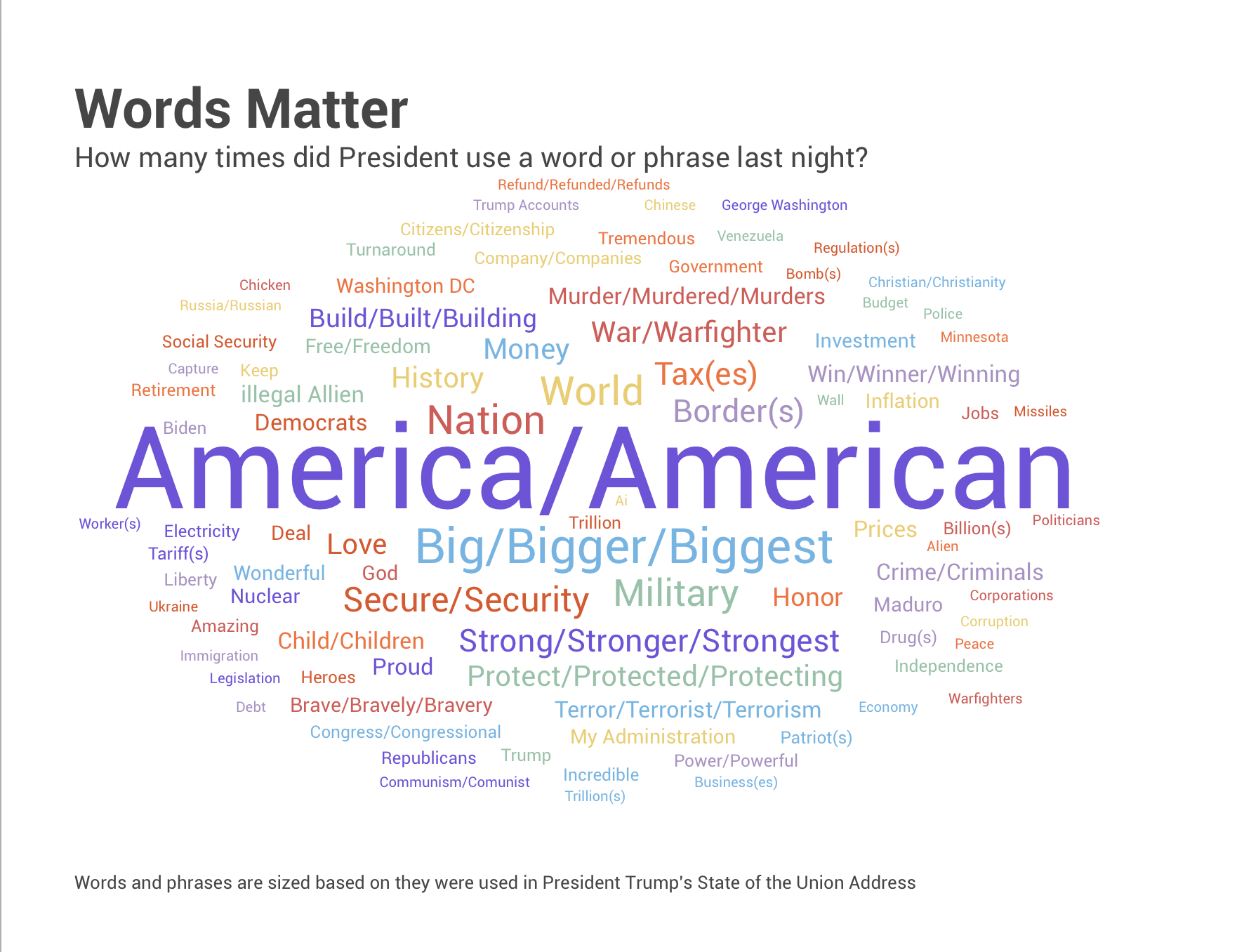
Words Matter: How many times President Trump used a word or phrase in his State of the Union Address
Here is our fun analysis of the words he used most and those he used the least. Any surprises?
-

Trump Tariffs Case at the Supreme Court
On November 5, the Supreme Court will consider a challenge to many of the tariffs imposed on goods imported into the United States. The decision will likely have far-reaching impacts on the US economy and relationships with trading partners.
-
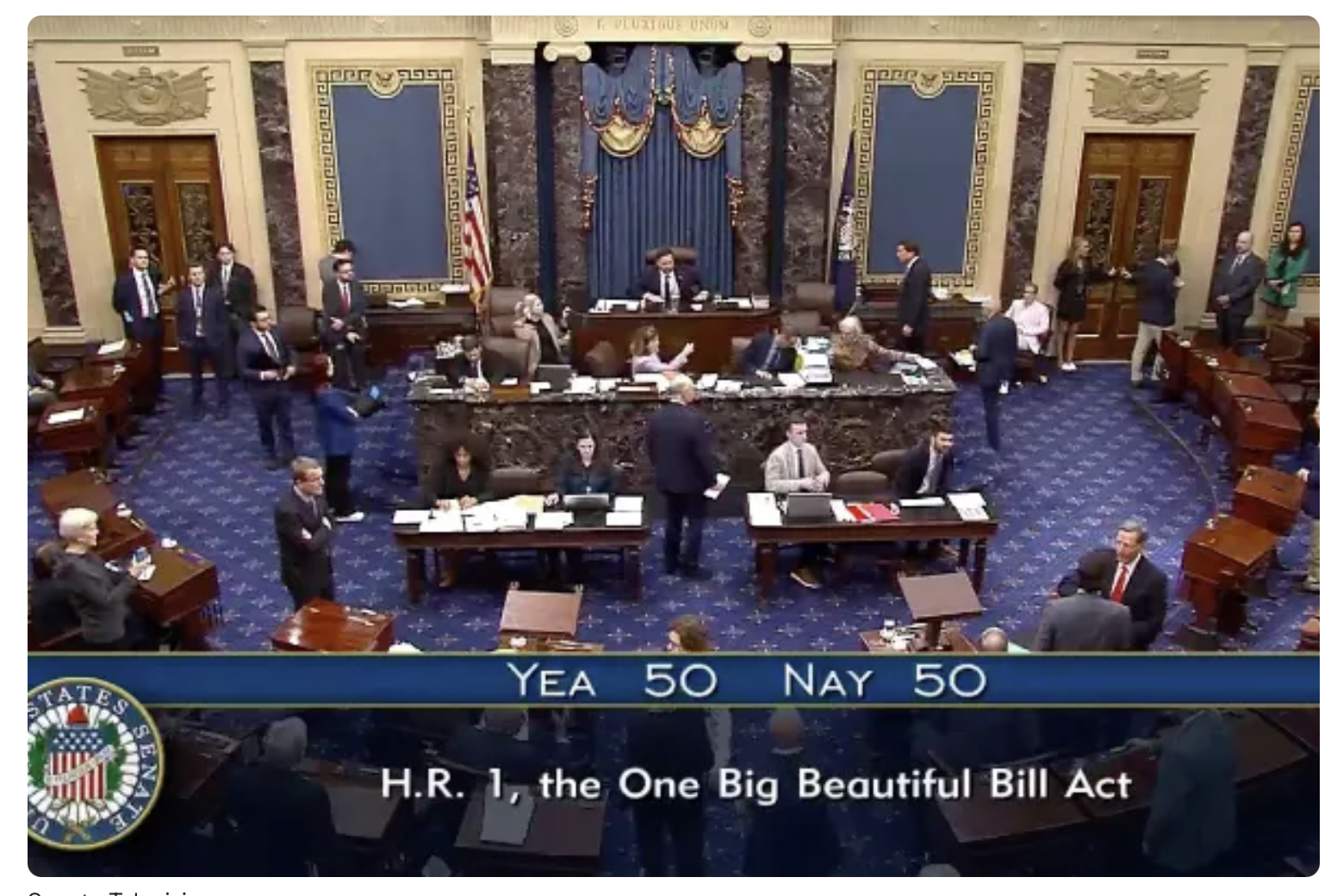
Foreign Entity of Concern language in OBBB is Precedential
The expansion of the Foreign Entity of Concern standard in the One Big Beautiful Bill Act creates a precedent that will likely be used by future presidents and Congresses to punish certain industries and favor others.
-

45V Tax Credit rules, post-Chevron decision
The end of judicial deference to agency expertise will challenge the proposed implementing rules for the clean hydrogen tax credits of the Inflation Reduction Act, expanding the aperture of eligible projects.
-
Chevron deference
The decision by the US Supreme Court to overturn the 1984 Chevron v Natural Resources Defense Council decision will create a new paradigm for how agencies propose and enforce regulations…and restores the burden for Congress to be clean when grants authority.